
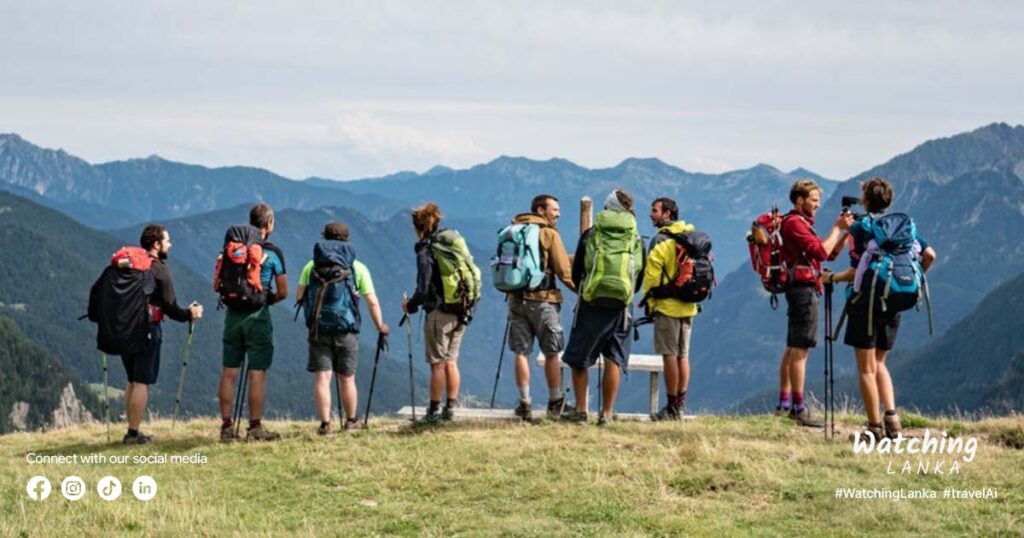
Sri Lanka offers some of the best hiking experiences, from misty mountains to coastal trails. If you’re planning to go hiking in Sri Lanka, this guide will give you essential tips to ensure your trip is safe and enjoyable. Whether you’re a seasoned hiker or a beginner, knowing the terrain and preparing properly is key.
1. Check the Weather
Before you start hiking in Sri Lanka, always check the local weather forecast. The country’s weather can change unexpectedly, especially in the hill country. Heavy rain and thunderstorms make trails dangerous, so it’s best to avoid hiking in such conditions.
Tip: The best time for hiking is during the dry season: December to March in the hill country, and May to September along the southern and western coasts.
2. What to Pack for Hiking in Sri Lanka
Proper packing is essential for comfort and safety during your hike. Here’s what you need:
- Comfortable Hiking Shoes: Ensure your shoes have a strong grip and ankle support to handle rocky or muddy trails.
- Water and Snacks: Dehydration can be a risk while hiking in Sri Lanka, especially in warmer areas. Carry water and energy snacks like nuts or granola bars.
- Reusable Water Bottle: Keep the environment clean by avoiding plastic waste. A reusable bottle is a practical, eco-friendly option.
- Sunscreen and Hat: Sun protection is essential, particularly in exposed areas. Use a good sunscreen and wear a hat to protect yourself.
- Rain Jacket or Poncho: Even during dry seasons, brief rain showers are common. Pack a lightweight jacket or poncho.
3. Safety Tips for Hiking in Sri Lanka
Safety is crucial when hiking in Sri Lanka, particularly in remote areas or on challenging trails. Follow these precautions for a safe trip:
- Inform Someone of Your Plans: Always tell someone your hiking route and estimated return time, especially if you’re hiking alone.
- Fully Charged Phone: Keep your phone charged and carry a portable charger. Mobile coverage may be spotty in some areas, so this is essential for emergencies.
- First Aid Kit: Pack a basic first aid kit with essentials like bandages and antiseptic wipes.
4. Hire Local Guides
Hiring a local guide is highly recommended when hiking in Sri Lanka. Not only does it enhance safety, but guides can also share valuable insights about the culture and biodiversity. In more remote areas like the Knuckles Mountain Range, guides know unmarked paths and hidden gems that you may miss on your own.
Tip: Make sure to hire licensed guides through reliable services to ensure you’re in safe hands.
5. Respect the Environment and Local Communities
When hiking in Sri Lanka, it’s important to respect both nature and local communities. Stick to designated trails to protect sensitive ecosystems and take all trash with you. If you pass through villages, be mindful of local customs and engage respectfully with residents.