
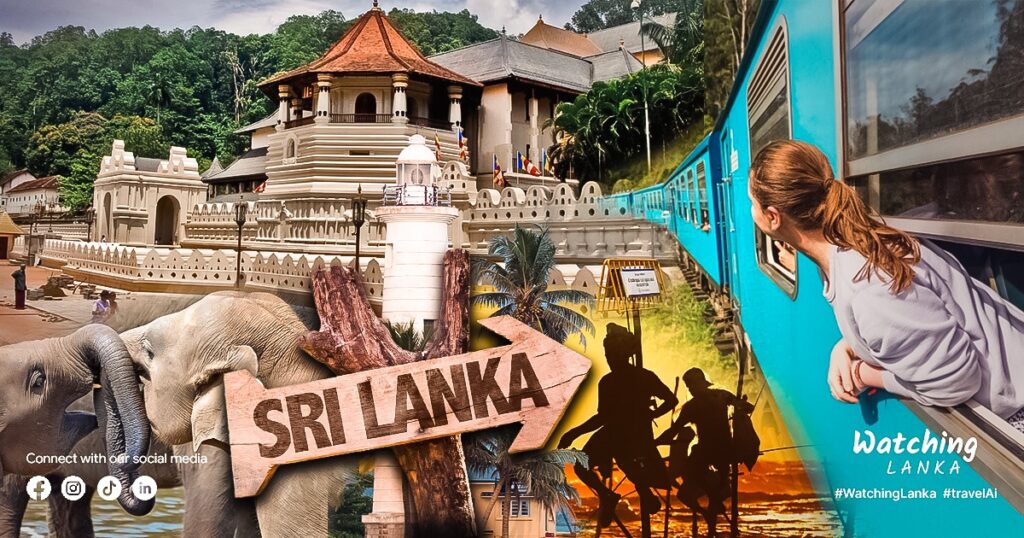
Sri Lanka boasts a tropical climate with year-round warmth, and two monsoons primarily shape its weather patterns: the southwest monsoon (May to September) and the northeast monsoon (October to January). This guide will help you decide when and where to go in Sri Lanka based on these regional weather patterns.
1. December to March: Ideal for the West & South Coasts, and Cultural Triangle
Weather: During these months, the northeast monsoon brings rain to the north and east, while the west and south coasts, along with the central Cultural Triangle, experience dry and warm weather.
- Galle & Southern Beaches: Galle’s historical fort and the beaches in nearby Mirissa, Unawatuna, and Bentota are perfect during this period. Mirissa is especially popular for whale watching from November to April.
- Colombo: Sri Lanka’s bustling capital has its best weather in these months, making it ideal for urban exploration, shopping, and dining.
- Sigiriya & Dambulla: The dry season makes it easy to visit the famous Sigiriya Rock Fortress and Dambulla Cave Temples without rain interruptions. Further north, the ancient cities of Anuradhapura and Polonnaruwa are also popular in these months.
Activities:
- Beach activities and water sports along the southern and western coasts.
- Exploring historical sites in the Cultural Triangle with clear skies and mild temperatures.
2. April to September: Best for the East Coast Beaches and Northern Province
Weather: The southwest monsoon affects the west and south from May to September, leaving the east and north mostly dry and sunny, making it the perfect time to visit these regions.
Top Destinations:
- Trincomalee & Nilaveli: Trincomalee offers some of Sri Lanka’s best snorkeling and diving spots, with beautiful beaches like Nilaveli and Uppuveli.
- Arugam Bay: This is the prime season for surfing, as Arugam Bay’s beaches become a hotspot for surfers from around the world.
- Jaffna: The north offers a unique mix of Tamil culture, historical sites like the Jaffna Fort, and nearby islands such as Delft Island for scenic day trips.
Activities:
- Surfing, especially in Arugam Bay, where international competitions often take place in July and August.
- Underwater adventures, such as scuba diving and snorkeling along the east coast.
- Exploring Jaffna’s cultural landmarks and enjoying the quiet, beautiful beaches.
3. October to November: Inter-Monsoon Period (Best for Central Highlands and Short Visits)
Weather: October and November see scattered rainfall throughout the island due to the inter-monsoon period, but it’s still possible to enjoy short visits to certain areas. This time is less crowded, making it ideal for those who prefer fewer tourists.
Top Destinations:
- Kandy: The Temple of the Tooth Relic and Peradeniya Botanical Gardens are lovely to explore, even during light rains. This season is also less crowded with tourists.
- Nuwara Eliya: Known for tea plantations and colonial-era architecture, Nuwara Eliya offers cooler temperatures year-round, and light rain adds to its misty, scenic charm.
- Pinnawala Elephant Orphanage: A visit to the orphanage is a good option during this period, with opportunities to watch the daily routines of rescued elephants.
Activities:
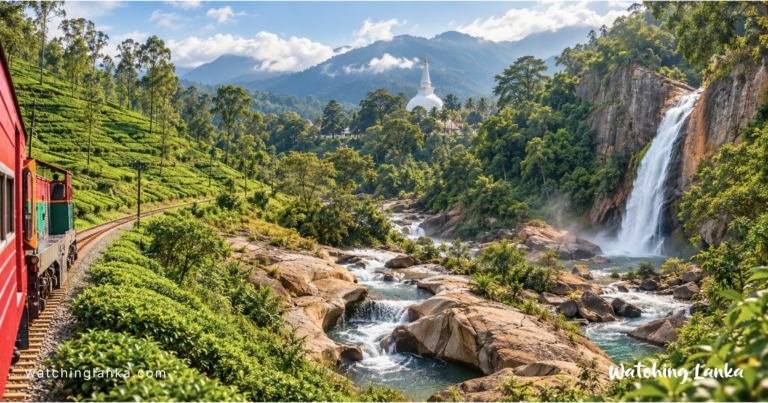
- Enjoying the picturesque landscapes of the hill country and exploring Sri Lanka’s tea estates.
- Taking scenic train rides through lush green hills between Kandy, Nuwara Eliya, and Ella.
- Wildlife experiences and visits to natural reserves such as Udawalawe National Park, where elephant sightings are common.
4. Year-Round Destinations: Central Highlands and Hill Country
Weather: The hill country generally has mild temperatures, making it an excellent year-round destination. Although rainfall may occur, clear skies often follow, creating perfect conditions to enjoy nature and local attractions.
Top Destinations:
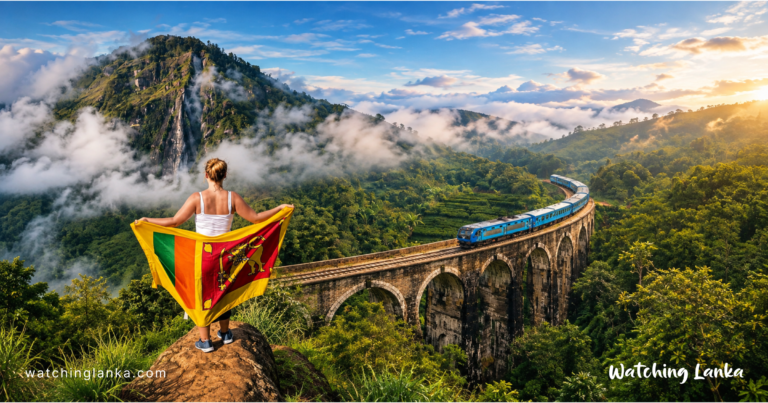
- Ella: Known for its stunning landscapes, Ella’s attractions like Ella Rock, Nine Arches Bridge, and Diyaluma Falls are great for hiking and sightseeing.
- Haputale, a quieter hill station, lies surrounded by tea estates and offers spectacular views from spots like Lipton’s Seat.
- Adam’s Peak (Sri Pada), a sacred mountain, attracts visitors most between December and May for the pilgrimage season, though hikers can explore it year-round.
Activities:
- Hiking and trekking through scenic hills, waterfalls, and viewpoints in Ella, Haputale, and Nuwara Eliya.
- Tea plantation tours in Nuwara Eliya and around Kandy, where you can learn about Sri Lanka’s tea industry and enjoy fresh tea tastings.
- Experiencing sunrise hikes up Adam’s Peak during pilgrimage season.
Quick Tips for Sri Lankan Travel
Packing: Bring lightweight clothing for the coasts and layers for the cooler hill regions. Pack rain gear for monsoon-affected areas and remember to bring sunscreen.
Crowds: The south and west see peak travel season from December to March, so it’s best to book in advance.
Festivals: Sri Lanka celebrates many cultural festivals, with the Sinhalese and Tamil New Year in April, Poson Festival in June, and the Esala Perahera in Kandy in July/August.
Sri Lanka’s regional climates make it a year-round destination, offering beautiful experiences no matter when you visit. Whether you’re exploring sun-drenched beaches or lush tea-covered hills, this island has something for everyone.